Kate Henry
 You know the feeling. You’re trying to rinse shampoo from your hair, and the trickle from the showerhead is more of a polite suggestion than a forceful cleanse. Or maybe filling the pasta pot takes an eternity while the dishwasher runs. Low water pressure and poor flow aren’t just minor annoyances—they’re signs your home’s plumbing might be whispering (or shouting) for an upgrade.
Let’s dive in. Boosting your water pressure and flow isn’t about one magic bullet. It’s a diagnostic journey, honestly. Sometimes it’s a simple fix; other times, it requires a more strategic investment. Here’s a breakdown of the most effective upgrades, from quick wins to whole-system overhauls.
First, Play Detective: Find the Root Cause
Before you spend a dime, do some sleuthing. Is the low pressure affecting just one faucet, or is it a whole-house issue? Check the aerators on your sinks—mineral buildup there can choke flow instantly. Next, look at the age and material of your pipes. This is crucial.
Homes built before the 1970s often have galvanized steel pipes. Over decades, the inside of these pipes corrodes and accumulates rust scale, narrowing the pathway for water like a clogged artery. If you have galvanized pipes, well, that’s likely your main culprit. Upgrading them is your most impactful move.
Targeted Upgrades for Instant Improvement
1. Swap Out Fixtures and Aerators
This is the easiest place to start. Old showerheads and faucets are often inefficient. Modern WaterSense-labeled fixtures are designed to use less water while maintaining a satisfying feel through improved aerodynamics. It’s a low-cost upgrade with immediate payoff.
2. Install a Pressure-Boosting Pump
Here’s the deal: if your municipal water pressure is genuinely low (consistently below 40 PSI), a booster pump might be your answer. It’s installed where the main water line enters your home and, well, boosts the pressure for the entire house. It’s a great solution for homes on hills or at the end of a municipal line. That said, it won’t fix problems caused by restrictive pipes—it just pushes water harder through the bottleneck.
Major Plumbing Upgrades for Lasting Flow
For systemic issues, you need systemic solutions. These are bigger projects but offer transformative results.
3. Repiping: The Gold Standard
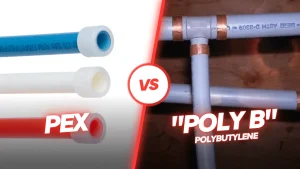
Replacing old, restrictive pipes with new copper or PEX (cross-linked polyethylene) is the single most effective upgrade for water pressure and flow. PEX, in fact, has become the go-to for modern plumbers. Its smooth interior offers less friction than copper, and it’s flexible, reducing the number of fittings that can slow water down.
Key takeaway: Repiping is an investment, but it solves pressure issues, improves water quality, and eliminates the risk of leaks from corroded pipes. It’s the whole package.
4. Upsize Your Water Main Service Line
Think of your service line—the pipe from the city main to your house—as the straw through which your entire home drinks. If that straw is only a half-inch wide, you can only get so much water at once. Upgrading to a 3/4-inch or 1-inch line dramatically increases the volume of water available, especially important if you’ve added bathrooms or run multiple appliances simultaneously.
5. Install a Home Water Manifold System (With PEX)
This is a game-changer for modern plumbing. Instead of a maze of pipes branching off a main trunk (a “trunk-and-branch” system), a manifold acts like a central hub. Individual PEX lines run directly from the manifold to each fixture—like a dedicated express lane for every faucet and toilet.
The benefits? More consistent pressure because using one fixture doesn’t steal flow from another. And it makes future repairs or shut-offs a breeze. Honestly, if you’re repiping anyway, insisting on a manifold system is a smart move.
Comparing Your Upgrade Options
| Upgrade | Best For… | Relative Cost | Impact on Flow |
| Fixture/Aerator Swap | Localized issues, quick refresh | Low | Moderate (per fixture) |
| Pressure Booster Pump | Chronic low municipal pressure | Medium | High (whole house) |
| Partial Repiping (PEX/Copper) | Homes with mixed pipe materials | Medium-High | High (in upgraded areas) |
| Full Repipe + Manifold | Older homes, galvanized pipes, seeking ultimate performance | High | Transformative |
| Service Line Upsize | Larger homes, added bathrooms, inadequate incoming supply | High | Very High |
A Few More Things to Consider…
Don’t forget about your water heater. Sediment buildup in an old tank can restrict flow on the hot side. Flushing it or upgrading to a tankless model (which provides on-demand hot water without tank restrictions) can improve hot water pressure specifically.
Also, check your main shut-off valve. If it’s old and wasn’t fully reopened after some past work, it could be partially closed, strangling your home’s water supply. A simple check, you know?
And one more—the pressure regulator. It’s that bell-shaped device on your main line. If it fails, it can cause pressure to be too low or dangerously high. A plumber can test it in minutes.
Wrapping It Up: Water as a Feeling
Improving your home’s water pressure isn’t just about PSI numbers on a gauge. It’s about the sensory experience of a revitalizing shower. It’s about the practical reality of a quickly filled pot. It’s the quiet confidence that your home’s veins and arteries—its plumbing—are healthy and capable.
Start small. Investigate. Then, consider which upgrade aligns with your home’s history and your daily life. Because good flow… well, it just makes everything better.