

Sustainable and Non-Toxic Pipe Material Innovations: What’s Flowing Beneath Our Feet
 Kate Henry
5 min read
Kate Henry
5 min read
Let’s be honest, we don’t think much about pipes until something goes wrong. But the materials that carry our water, gas, and waste are in the middle of a quiet revolution. It’s not just about durability anymore. Today, the conversation is about health, environmental impact, and a circular economy. We’re moving beyond the old standards toward a new era of sustainable and non-toxic pipe material innovations.
The Problem with the Old Guard
For decades, the plumbing world relied on a few trusted materials. Lead, of course, is the infamous villain—its legacy still poisons some water systems today. Then came copper, durable but energy-intensive to produce and sometimes linked to pinhole leaks. And PVC? Well, PVC is everywhere. It’s cheap and effective, sure, but its lifecycle—from chlorine-based manufacturing to potential leaching and difficult recycling—raises serious environmental and health questions.
The pain points are clear: homeowners want safety from contaminants, municipalities need longevity with lower maintenance, and the planet desperately needs solutions that don’t contribute to the mountains of construction waste. That’s where these new innovations come in, tackling these issues head-on.
Front-Runners in Non-Toxic Piping
So, what are the alternatives? Here’s the deal: the most promising materials aren’t just “less bad.” They’re designed from the ground up to be better. Let’s dive into a few key players.
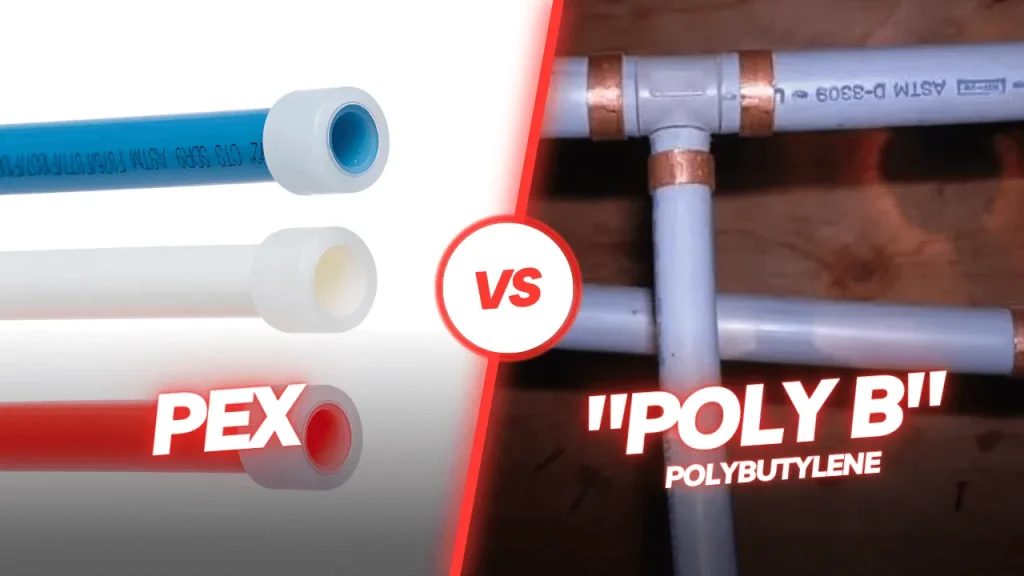
PEX (Cross-Linked Polyethylene) – The Flexible Contender
PEX has already taken the residential plumbing world by storm, and for good reason. It’s incredibly flexible, which means fewer fittings, fewer potential leak points, and easier installation. But from a sustainability and health angle, modern PEX formulations have made strides.
High-quality PEX-a or PEX-b pipes now often use non-toxic stabilizers and antioxidants instead of heavy metals. They’re corrosion-resistant, which protects water quality, and their smooth interior inhibits scale buildup. The energy required to pump water through them is lower, too, thanks to that smoothness. The elephant in the room? It’s still a plastic, and recycling streams for it are… well, they’re nascent, let’s say. But its durability (50+ year lifespan) and reduction in embodied energy from installation are big points in its favor.
HDPE (High-Density Polyethylene) – The Durable Workhorse
Think of HDPE as PEX’s tougher, more rugged cousin. It’s the go-to for municipal water mains, trenchless sewer liners, and geothermal loops. Its environmental cred is strong: it’s often made from a simpler polymer (ethylene) than PVC, and it’s highly recyclable. In fact, you can find pipes made from 100% post-consumer HDPE.
Its jointing method, heat fusion, creates a monolithic, leak-free system—no chemical solvents or glues needed. That means no off-gassing or water contamination from joining agents. For non-toxic water conveyance on a large scale, HDPE is honestly hard to beat right now.
The Truly Cutting-Edge: Bio-Based & Circular Innovations
This is where things get fascinating. Researchers and startups aren’t just refining existing plastics; they’re reimagining the material itself.
- Bio-Polyethylene: Imagine HDPE, but derived from sugarcane ethanol instead of fossil fuels. Companies like Braskem are already producing it. It’s chemically identical to traditional HDPE—so it’s just as durable and recyclable—but its production actually captures CO2.
- Mycelium Composites: Sounds sci-fi, right? Using the root structure of mushrooms grown around organic waste to create pipe insulation or even non-pressure structural forms. It’s biodegradable, lightweight, and has a negative carbon footprint. It’s not for main lines yet, but for ancillary uses, the potential is massive.
- Chemical Recycling of Mixed Plastics: This isn’t a new pipe material per se, but a new life for old ones. Advanced chemical recycling can break down mixed plastic waste—think that jumble of old PVC, PP, PE—into their base molecules to create virgin-quality plastic for new pipes. It could close the loop in a way mechanical recycling simply can’t.
Choosing the Right Pipe: A Quick Comparison
| Material | Key Sustainability/Health Pros | Considerations | Best For |
|---|---|---|---|
| PEX (High-Quality) | Low leach potential, flexible (less waste), energy-efficient water flow. | End-of-life recycling still developing; requires proper installation. | Residential potable water, radiant heating. |
| HDPE (Recycled Content) | Excellent for circular economy, solvent-free joining, extremely durable. | Can be UV-sensitive; requires specialized fusion tools. | Municipal mains, sewer relining, geothermal. |
| Bio-PE (Sugarcane) | Carbon-negative feedstock, identical performance to HDPE. | Currently higher cost, limited suppliers. | Eco-conscious municipal or industrial projects. |
| Stainless Steel (304/316) | 100% recyclable, inert, no leaching, long lifespan. | High embodied energy, higher material cost. | High-purity water systems, coastal areas, critical infrastructure. |
Beyond the Material: The Full-System View
Innovation isn’t just in the pipe itself. It’s in how we put it all together. The push for non-toxic systems means scrutinizing everything—the fittings, the joint compounds, the insulation. Lead-free brass fittings are now code, but what about the “biofilm” that can grow inside? New antimicrobial polymer additives (silver-ion based or other non-leaching types) are being tested to improve water quality at the point of use, without sacrificing safety.
And then there’s installation. Trenchless technologies, which use HDPE or cured-in-place pipe (CIPP) liners, massively reduce the environmental disruption of pipe replacement. Less digging means less community impact, less restoration, and honestly, a whole lot less mess.
The Flow Forward
So where does this leave us? The trajectory is clear. The future of piping is leaning hard into materials that are safe from start to finish—from raw material extraction to eventual disposal or, better yet, rebirth. It’s a future where your water’s journey through your home doesn’t add a side of unwanted chemicals, and where a pipe at the end of its long life becomes a resource, not landfill fodder.
The shift isn’t always fast. Building codes, contractor habits, and upfront cost perceptions can be slow to change. But the innovations are here, proving that we can build the arteries of our civilization without poisoning the body or the planet. It’s one of those quiet, essential changes—flowing right beneath our feet, making the future a bit cleaner, and a whole lot safer.


